Video course

 MITIntroductory
Introduction to Solid-State Chemistry
Sadoway's legendary chemistry of real materials — batteries included.
31h47 lec
The open university catalog
Stream or download complete courses from MIT, Stanford, Harvard, Yale, Berkeley, and the IITs — plus full textbooks you read right here. Legally free, one click, forever.
The courses the internet fell in love with — Strang's linear algebra, Malan's CS50, Ng's machine learning. One click to lecture one.
185 of 185 courses · every one free, verified, and complete
MITIntroductorySadoway's legendary chemistry of real materials — batteries included.
 YaleIntroductory
How markets actually work — taught by a Nobel laureate who predicted two crashes.
 HarvardIntroductory
The most popular university course in the world — now free to everyone.
 BerkeleyIntroductory
The legendary CS61A, taught by the man who wrote the book.
 NPTELIntermediate
IIT's complete deep learning course — from perceptrons to seq2seq.
MITIntermediateThe most-watched mathematics course ever recorded.
 StanfordIntroductory
The most beloved intro CS course ever recorded.
StanfordAdvancedWord vectors to transformers — the definitive NLP course.
YaleIntermediateStrategic thinking, taught with wit and midterms played as games.
MITIntermediateSorting, searching, hashing — the engine room of computer science.
MITIntermediateThe legendary Oppenheim lectures — Fourier, sampling, and everything after.
MITIntroductorySupply, demand, and the logic of markets — from MIT's Economics department.
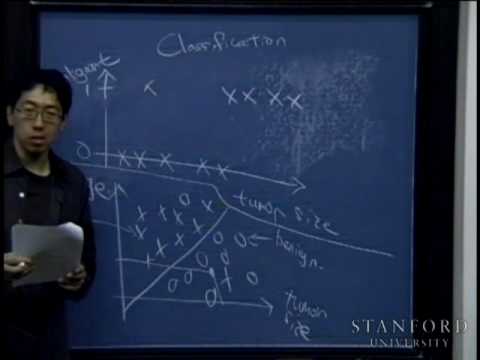
StanfordAdvancedThe course that launched a thousand careers — taught by Andrew Ng himself.
StanfordAdvancedA seminar where the people who built transformers explain them.
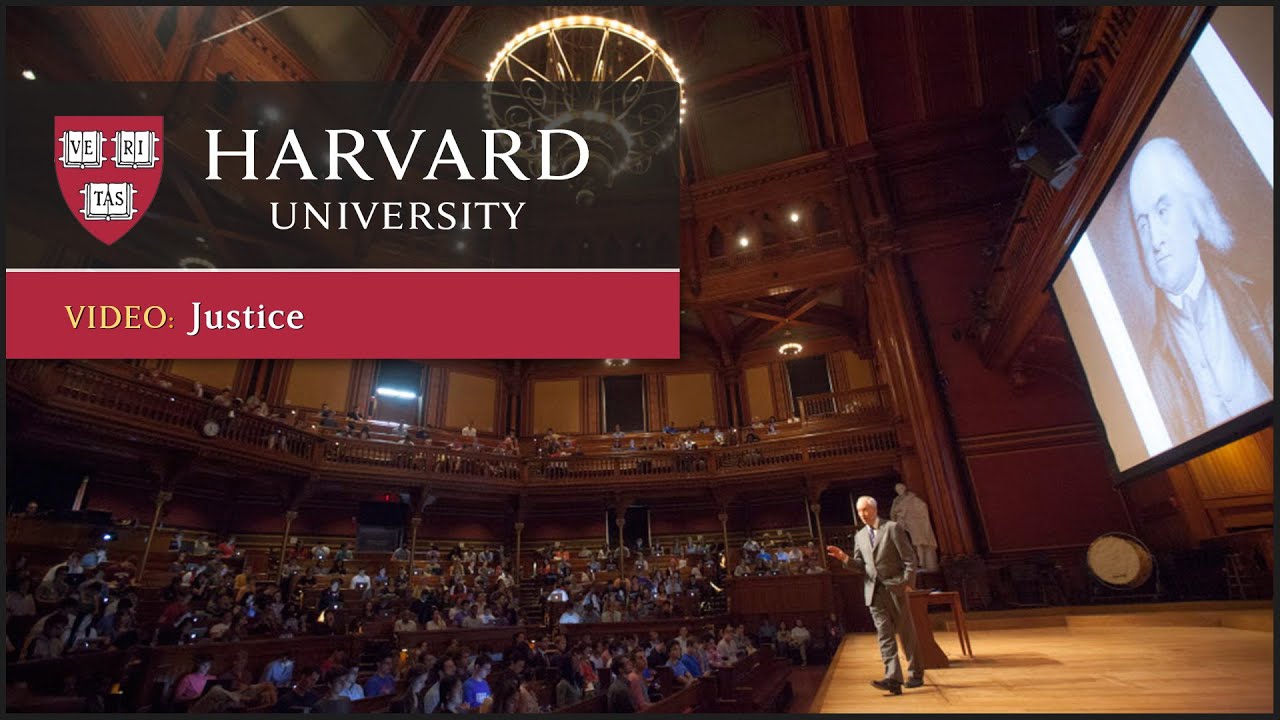
HarvardIntroductoryHarvard's legendary ethics course — the first one ever put on the open web.
MITIntroductoryThe gentlest possible on-ramp into computer science.
 OpenStaxIntroductory
The complete A&P textbook — every system of the human body, from cells to reproduction, free and peer-reviewed.
 Open TextbooksAdvanced
The interactive deep learning textbook — every model runnable, every figure generated by code you can change.
OpenStaxIntroductoryThe complete majors-biology textbook — from the chemistry of life to ecology — free, peer-reviewed, and used by millions.
OpenStaxIntroductoryThe complete corporate finance textbook — time value of money, valuation, risk, and capital budgeting.
OpenStaxIntroductoryThe complete two-semester economics sequence — micro and macro together — from the standard open textbook.
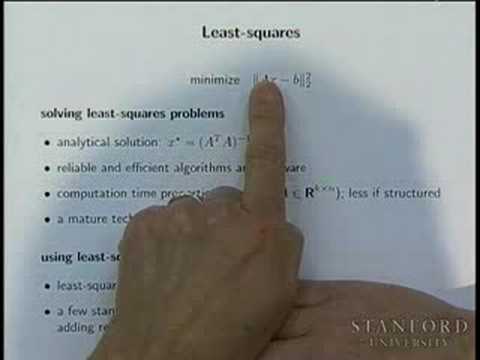
StanfordAdvancedThe canonical graduate text on convex optimization — from Stanford's Boyd & Vandenberghe, free to download.
OpenStaxIntroductoryThe complete introduction to modern astronomy — from the night sky to cosmology — free from OpenStax.
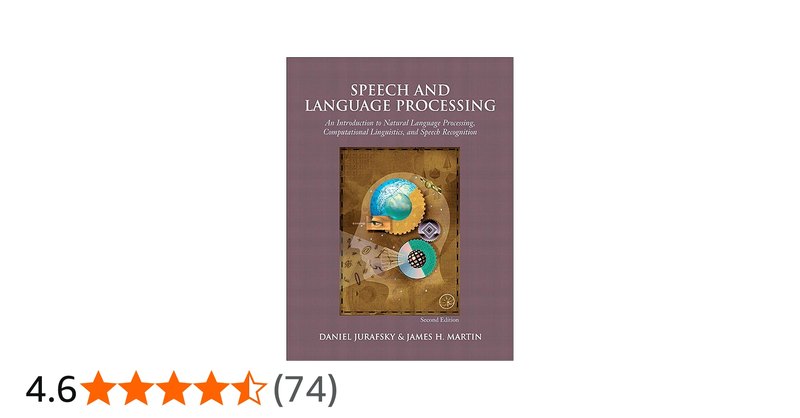
StanfordAdvancedJurafsky & Martin's definitive NLP textbook, rewritten for the era of large language models — free in draft from Stanford.
NPTELIntermediateIIT Kharagpur's flagship — among the most-watched NPTEL courses ever.
NPTELIntermediateTransformers and DC machines — the first half of the power world.
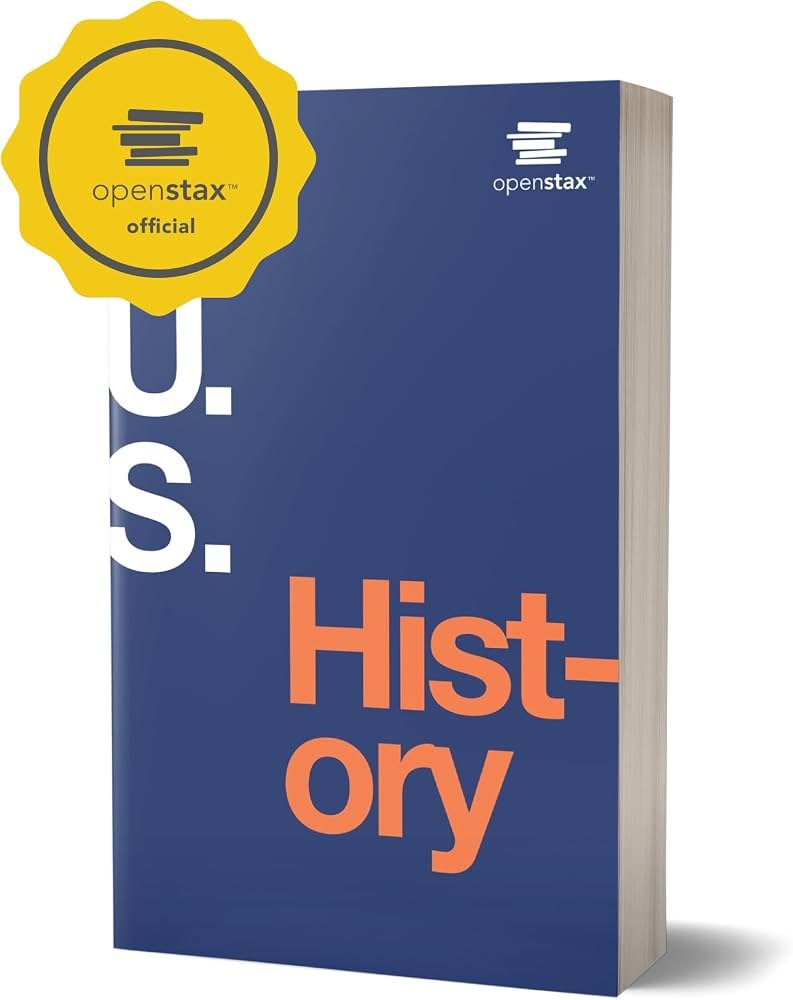
OpenStaxIntroductoryAmerican history from the first nations to the present — a complete, peer-reviewed open textbook.
NPTELIntermediateEvery building stands on soil — the IITs' geotechnical engineering course.
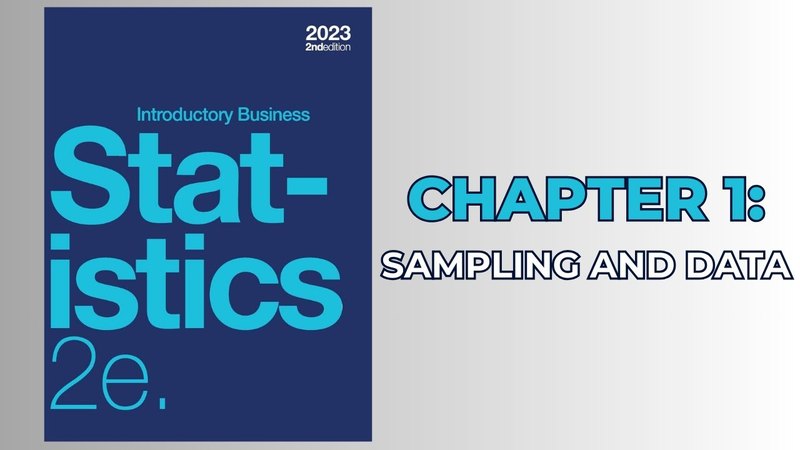
OpenStaxIntroductoryStatistics for business students — sampling, confidence intervals, regression, and forecasting, with business cases.
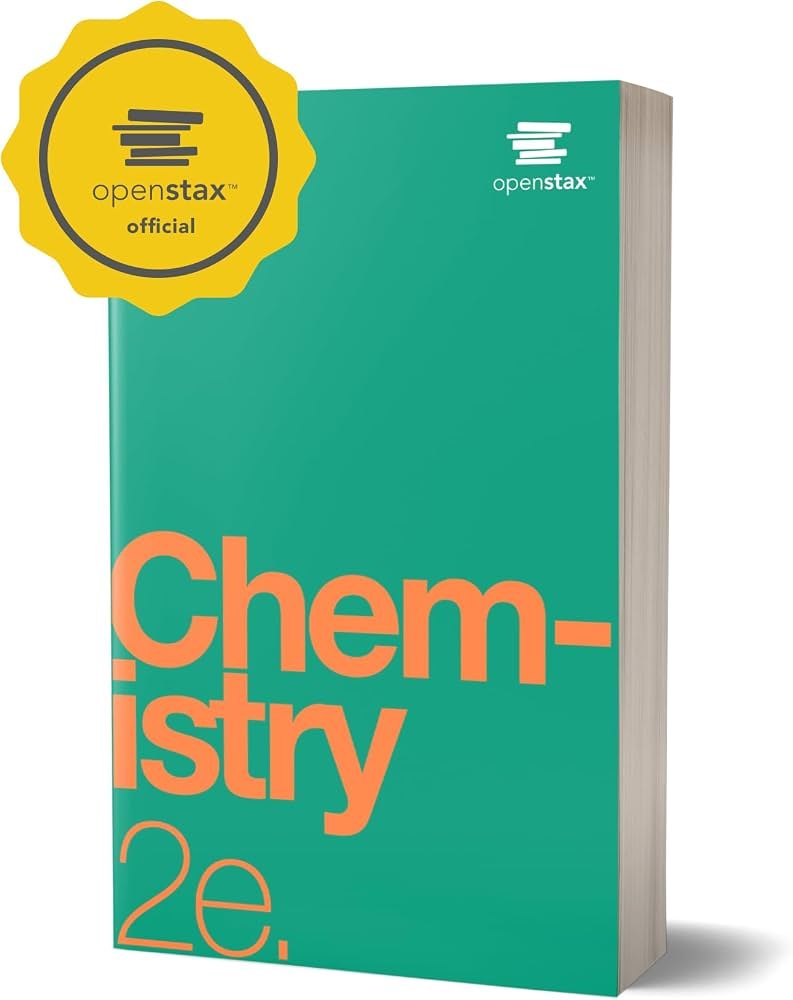
OpenStaxIntroductoryTwo semesters of general chemistry — atoms to thermochemistry to electrochemistry — free and peer-reviewed.
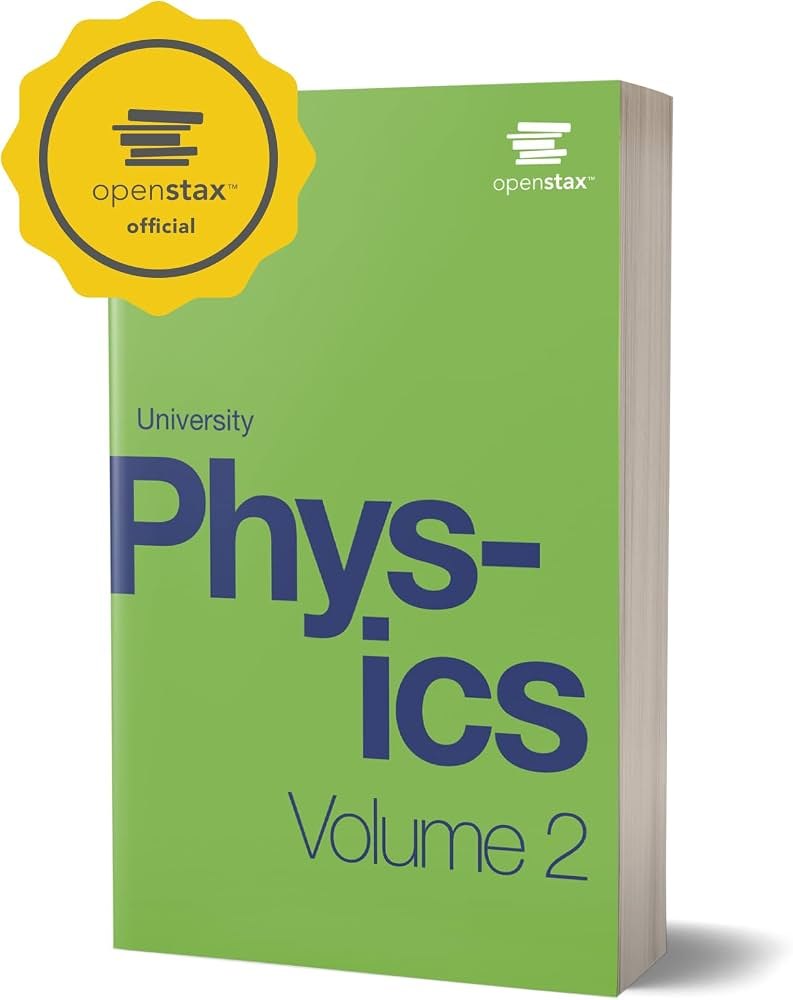
OpenStaxIntermediateUniversity physics, volume 2 — heat, electricity, magnetism, and circuits, the calculus-based second semester.
StanfordAdvancedThe optimization course that industry keeps quietly stealing.
OpenStaxIntroductoryThe complete entrepreneurship textbook — from opportunity recognition to funding, growth, and exit.
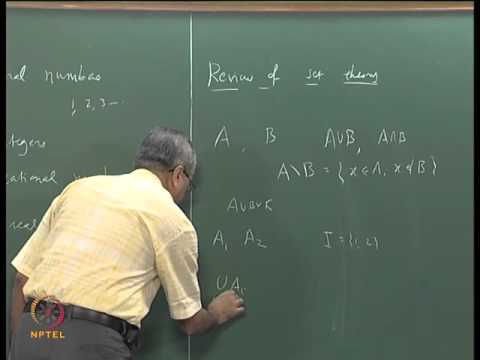
NPTELAdvancedWhy calculus is true — the IITs' rigorous construction of the real numbers.
OpenStaxIntermediateFrom microbial cell structure to epidemiology and immunology — the complete open microbiology text.
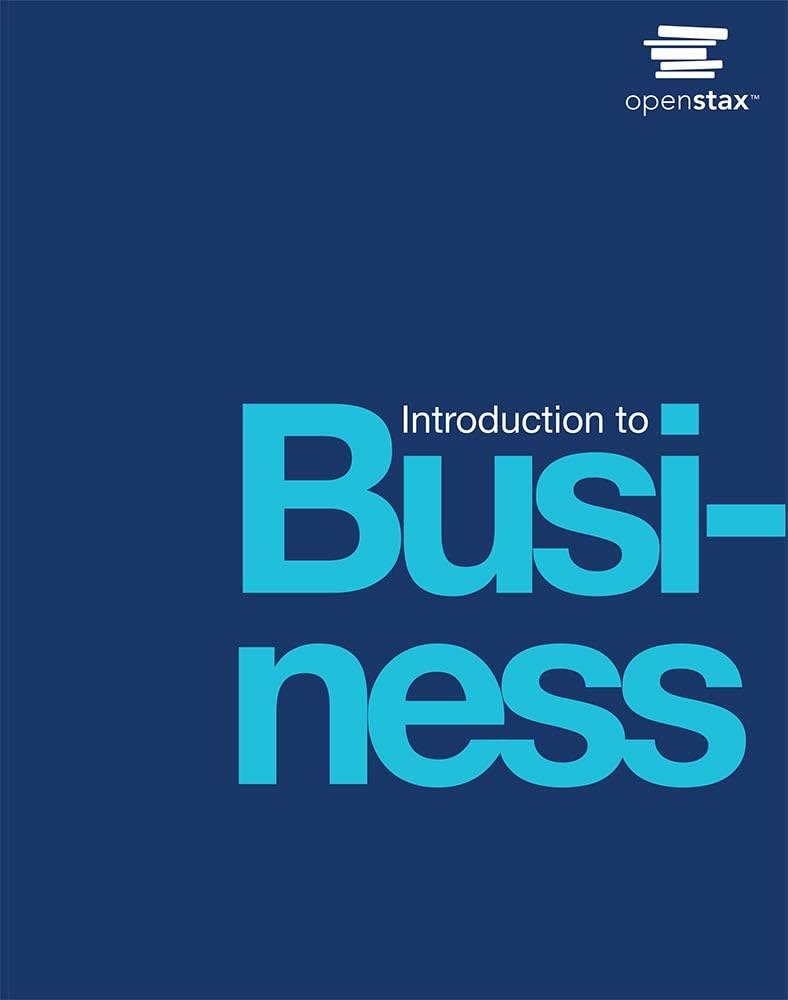
OpenStaxIntroductoryThe whole business landscape in one book — economics, marketing, finance, and entrepreneurship — free and current.
MITAdvancedStrang beyond linear algebra — the applied math behind simulation.
MITIntroductoryGilbert Strang's complete calculus textbook — the companion to his famous 18.01 lectures, free from MIT chapter by chapter.
NPTELIntermediateThe complete database course — ER diagrams to transactions.
MITAdvancedWhere 6.006 ends — amortization, randomness, and NP-completeness.
NPTELIntroductoryWhy structures stand — stress, bending, and the margin of safety.
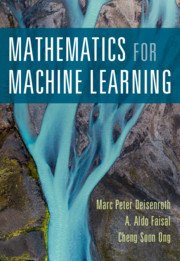
Open TextbooksIntermediateThe mathematical launchpad between undergraduate math and machine learning — linear algebra, calculus, probability, and optimization in one book.
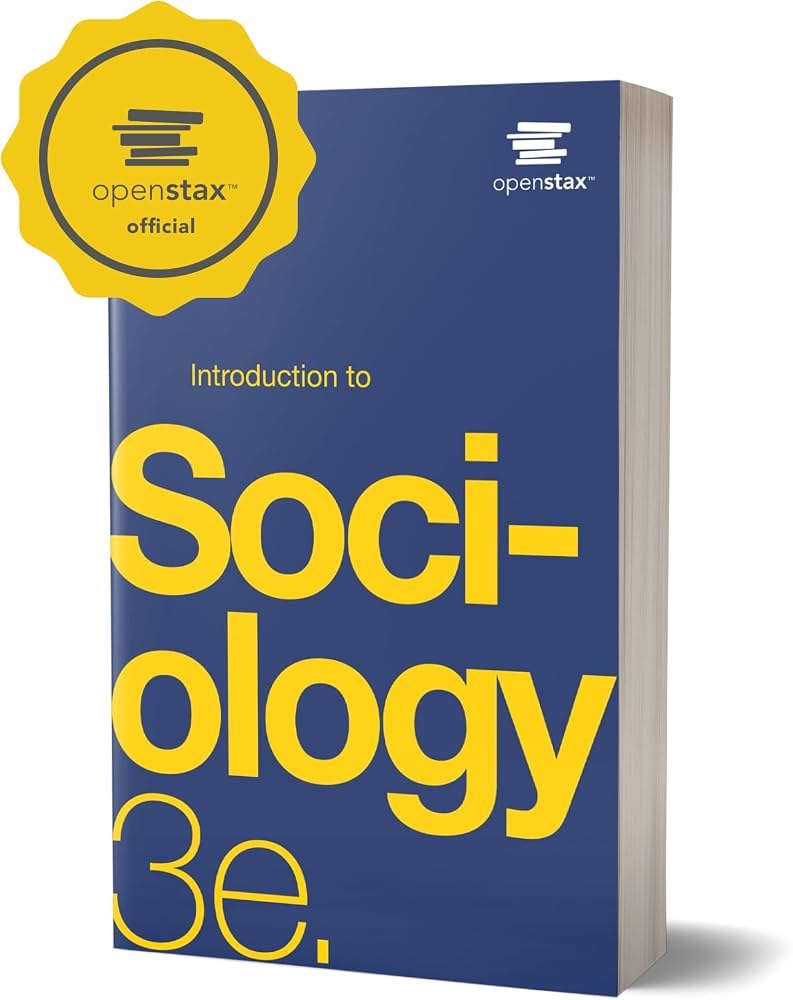
OpenStaxIntroductorySociology's core lens — from the sociological imagination to inequality, deviance, and social change — in one open book.
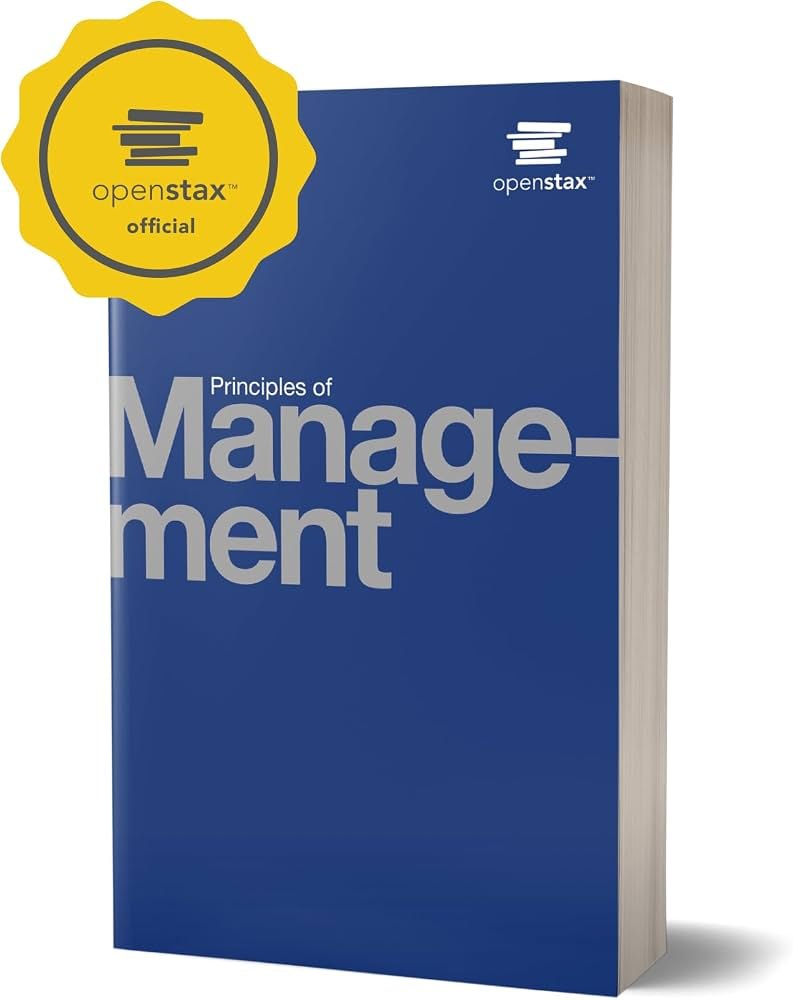
OpenStaxIntroductoryManagement theory that respects practice — planning, organizing, leading, and controlling, free from OpenStax.
NPTELIntermediateHow images on your screen are really made — the IITs' graphics course.
NPTELIntroductoryThe classic IIT Madras linear algebra course — vectors, matrices, eigenvalues, and the theorems every engineer and data scientist needs.
NPTELAdvancedIIT Delhi on light and semiconductors — LEDs, lasers, and photodetectors, from first principles up.
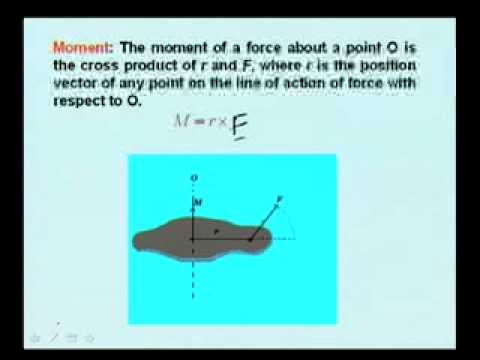
NPTELIntroductoryThe first course of every engineer — forces, bodies, and balance.
NPTELIntermediateThe machine under the compiler — pipelines, caches, and cores.
NPTELIntroductoryChance, done properly — the math every data scientist needs.
NPTELIntermediateFrom pixels to perception — the IITs' classic image processing course.
OpenStaxIntroductoryThe full introduction to psychological science — biology of behavior through social psychology — free from OpenStax.
NPTELAdvancedAutomata, Turing machines, and what can never be computed.
NPTELAdvancedConduction, convection, radiation — the thermal engineering trilogy.
NPTELAdvancedThe mathematics inside every phone — DFT, FFT, and digital filters.
NPTELIntermediateThe engines of business — inventory, scheduling, and lean systems.
NPTELAdvancedThe IITs' complete quantum mechanics course — from the Schrödinger equation onward.
BerkeleyIntermediateSearch, games, and rational agents — home of the Pac-Man projects.
NPTELIntroductoryThe mathematics computer science runs on — logic to graph theory.
OpenStaxIntroductoryStatistics the way it should be taught — descriptive through inferential, with real datasets, free and peer-reviewed.
NPTELAdvancedThe transistor-level craft — IIT Kanpur's complete analog chip design course.
BerkeleyIntroductoryBerkeley's famous intro to data science — no prerequisites, real inference.
NPTELIntermediateEditing the code of life — the theory and tools of genetic engineering, from the IITs.
NPTELIntroductoryThe IITs' Java course — among the most-enrolled in NPTEL history.
NPTELIntermediateModern C++ — classes, templates, and the STL, taught properly.
NPTELIntermediateThe internet, layer by layer — from the IITs' networking group.
NPTELIntermediateEnergy, entropy, and the laws that rule every engine.
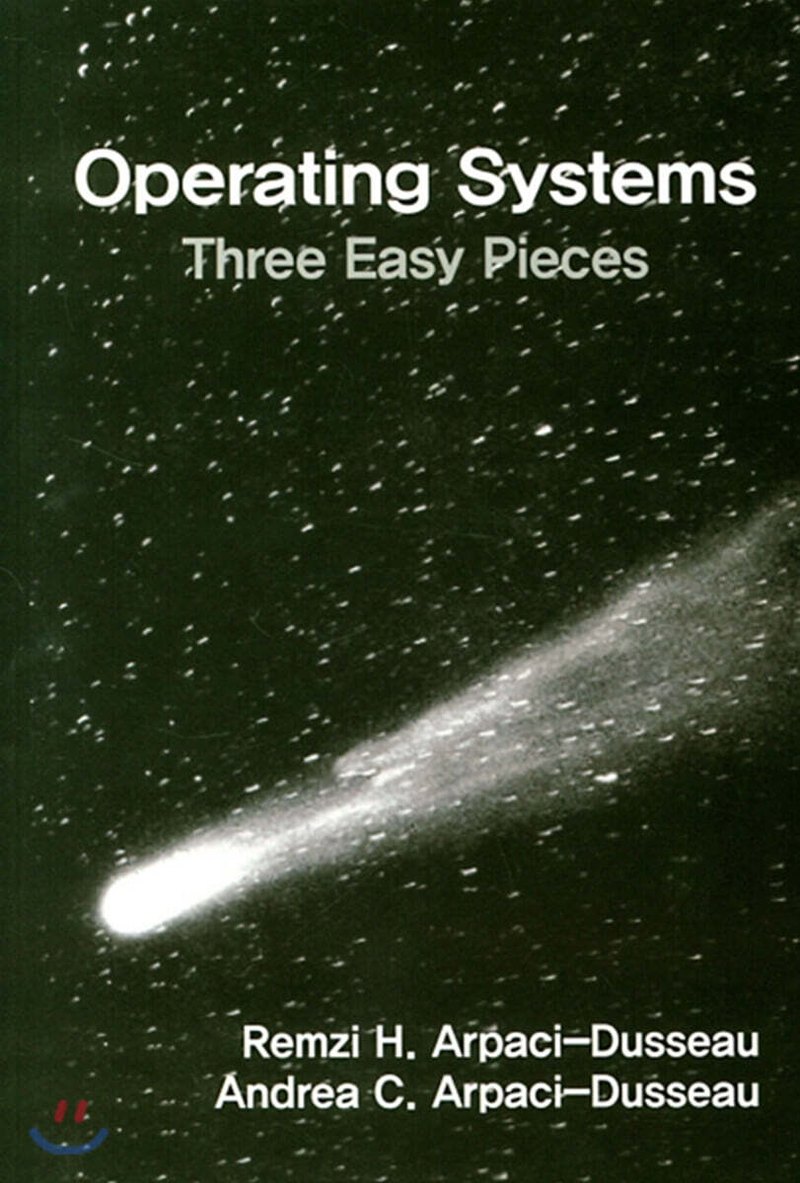
Open TextbooksIntermediateThe operating systems book the internet learned from — virtualization, concurrency, and persistence, one short chapter at a time.
OpenStaxIntroductoryThe complete precalculus textbook — algebra, trigonometry, and analytic geometry, everything calculus assumes.
 CMUIntermediate
Andy Pavlo's database course — storage engines to query optimizers, from the people who build them.
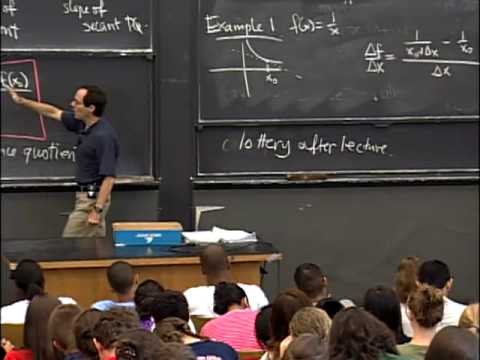
MITIntroductoryCalculus taught the way MIT teaches it to freshmen.
NPTELIntermediateIIT Delhi's modern AI survey — search, RL, NLP, and vision in one arc.
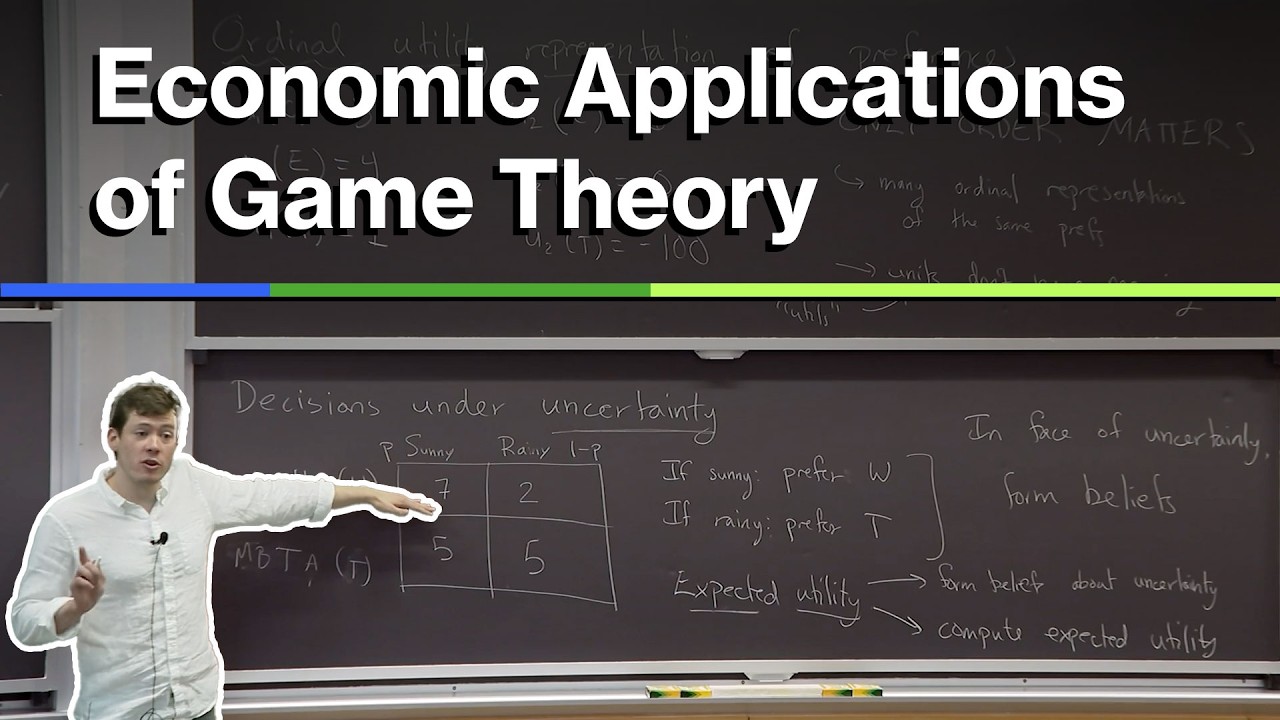
MITIntermediateMIT's newest game theory course — strategic thinking for economists, from dominance and Nash equilibrium to mechanism design.
NPTELIntermediateIIT Madras teaches machine learning to engineers and scientists — the same algorithms, taught for physical systems and scientific data.
NPTELIntroductoryIIT Guwahati's complete psychology foundations course — the science of mind and behavior, from neurons to social dynamics.
NPTELIntroductoryThe starting line of electrical engineering — KVL to AC power.
OpenStaxIntroductoryRice University's peer-reviewed university physics text — mechanics, waves, and thermodynamics, free and complete.
StanfordIntroductoryStanford's survey of AI — search, games, MDPs, and machine learning under one roof.
NPTELIntroductoryWhy organizations behave as they do — motivation, teams, and leadership, studied scientifically.
NPTELIntroductoryIIT Kharagpur on how money actually moves — banks, bond markets, equities, and the institutions that hold the system together.
NPTELIntermediateIISc Bangalore on the physics of the devices the modern world runs on — from band diagrams to transistors, taught properly.
YaleIntroductoryOrganic chemistry as ideas, not flashcards — Yale's famous rethinking.
BerkeleyAdvancedSergey Levine's graduate course — the deepest open treatment of RL anywhere.
NPTELAdvancedHow code becomes machine code — lexers to optimizers.
NPTELIntermediateThe mathematics of everything that varies — audio to control.
NPTELIntermediateMaking machines behave — stability, root locus, and feedback.
NPTELIntermediateChemistry as physics — thermodynamics, kinetics, and the quantum rules.
MITIntroductoryThe chemistry of energy — MIT's foundational physical chemistry course.
MITAdvancedMake programs fast — cache hierarchies, concurrency, and the art of measurement.
MITAdvancedMIT's graduate deep learning course — from backpropagation foundations to transformers, diffusion models, and the research frontier.
MITIntermediateWhat governments should tax, spend, and regulate — MIT's applied economics of the public sector, with real policy throughout.
MITIntermediateVectors, surfaces, and the geometry of higher dimensions.
MITAdvancedCosmology's first three minutes — taught by the man who named inflation.
YaleIntroductoryThe rise and fall of classical Greece — from a master historian.
BerkeleyAdvancedThe mathematics of learning — regression to networks, all derived.
NPTELAdvancedConverters and inverters — the electronics inside solar and EVs.
MITIntroductoryMIT's newest first course — Python for absolute beginners.
MITIntroductoryMolecular biology the MIT way — from DNA to developing embryos.
StanfordIntermediateThe science of networks — from PageRank to graph neural networks.
NPTELIntroductoryWhy software projects fail — and the discipline that prevents it.
NPTELIntroductoryThe engine of IIT Madras's online BSc degree — Python to algorithms.
MITIntermediateMathematical statistics done properly — estimation, testing, and asymptotics.
MITIntermediateStatistics with social science questions attached — MIT's data analysis course for economics.
NPTELIntroductoryWhy materials do what they do — IIT Madras' complete first course in materials.
HarvardIntermediateProbability as storytelling — the famous Stat 110 lectures.
BerkeleyIntermediateFrom C code to circuits — how computers actually work.
MITIntroductoryFreshman chemistry taught through the lens of real research.
NPTELIntermediateLife at the molecular scale — proteins, enzymes, and metabolism.
NPTELAdvancedThe algorithms inside modern biology — taught at the Indian Institute of Science.
MITIntermediateThe mathematics of everything that changes — MIT's bridge course.
StanfordIntermediateThe mathematics of signal and image — a Stanford classic.
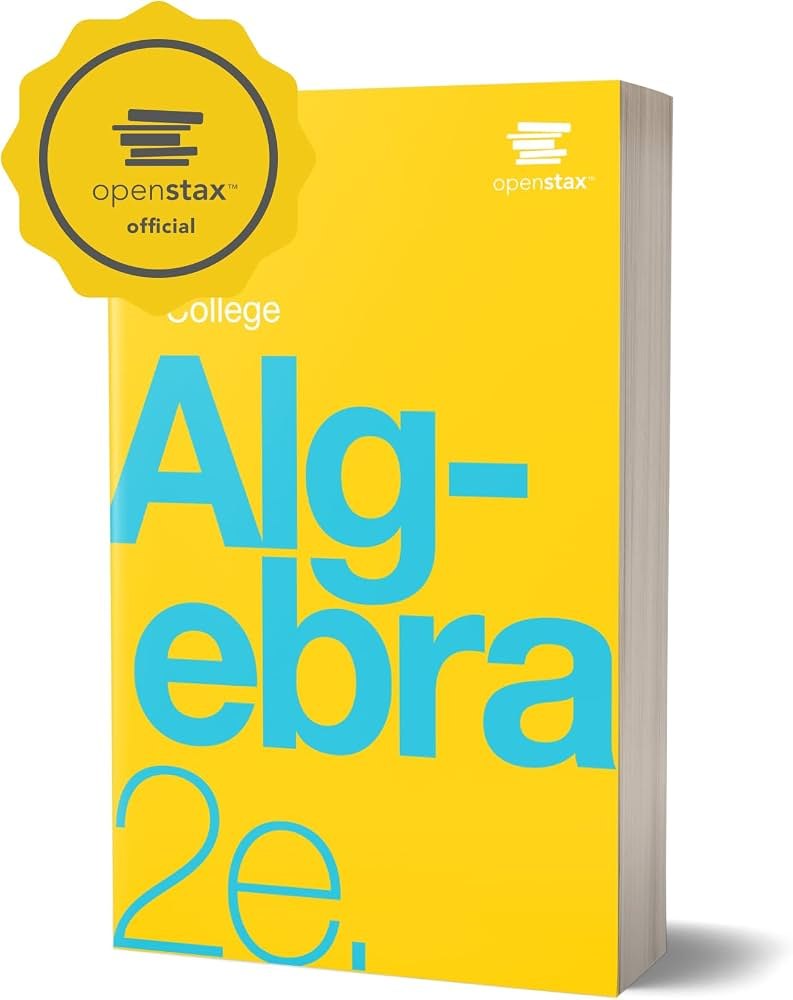
OpenStaxIntroductoryCollege algebra, complete and free — functions, exponentials, logarithms, and the algebra everything after depends on.
MITIntermediateThe mathematics of real markets — probability, linear algebra, and optimization, aimed straight at modern finance.
StanfordIntermediateC++, recursion, and data structures — the classic follow-up to CS106A.
YaleIntroductoryNewtonian mechanics from a physicist audiences love.
NPTELIntermediateThe classic IIT Kharagpur DSA lectures — stacks to spanning trees.
MITAdvancedMIT Sloan's canonical finance course — valuation to portfolio theory.
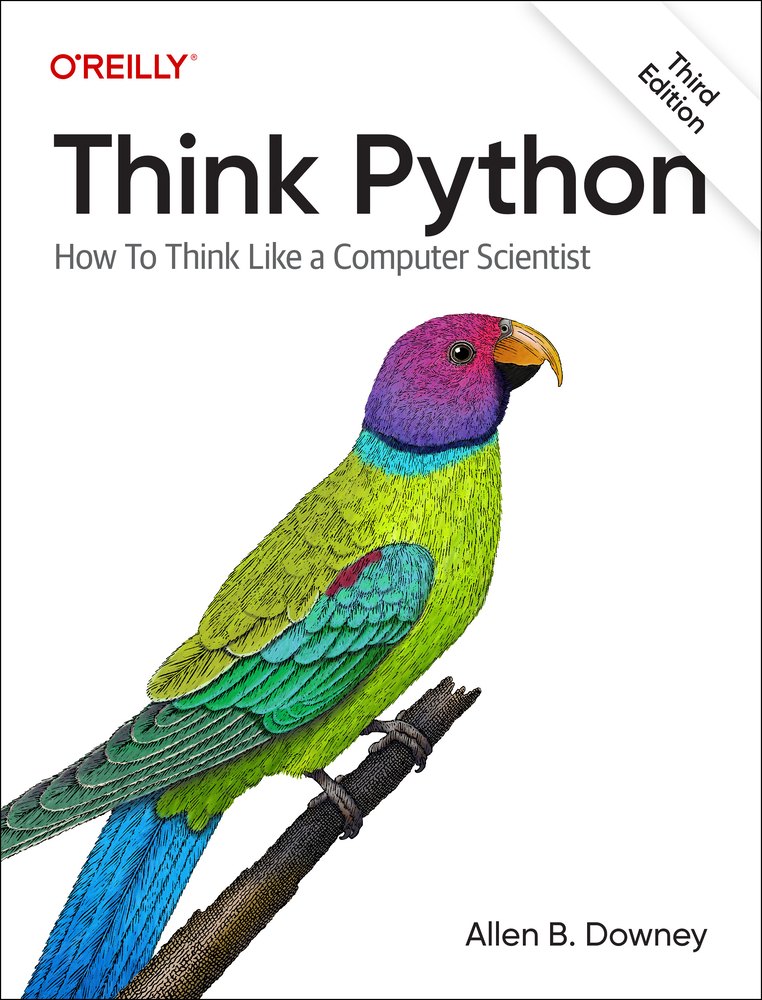
Open TextbooksIntroductoryPython as a way of thinking — the friendliest serious introduction to programming, now in its third edition.
NPTELIntermediateThe computers inside everything — microcontrollers, buses, and real-time design.
MITIntermediateMIT's bridge from computation to proof — induction, graphs, counting, and probability, with the discrete structures CS runs on.
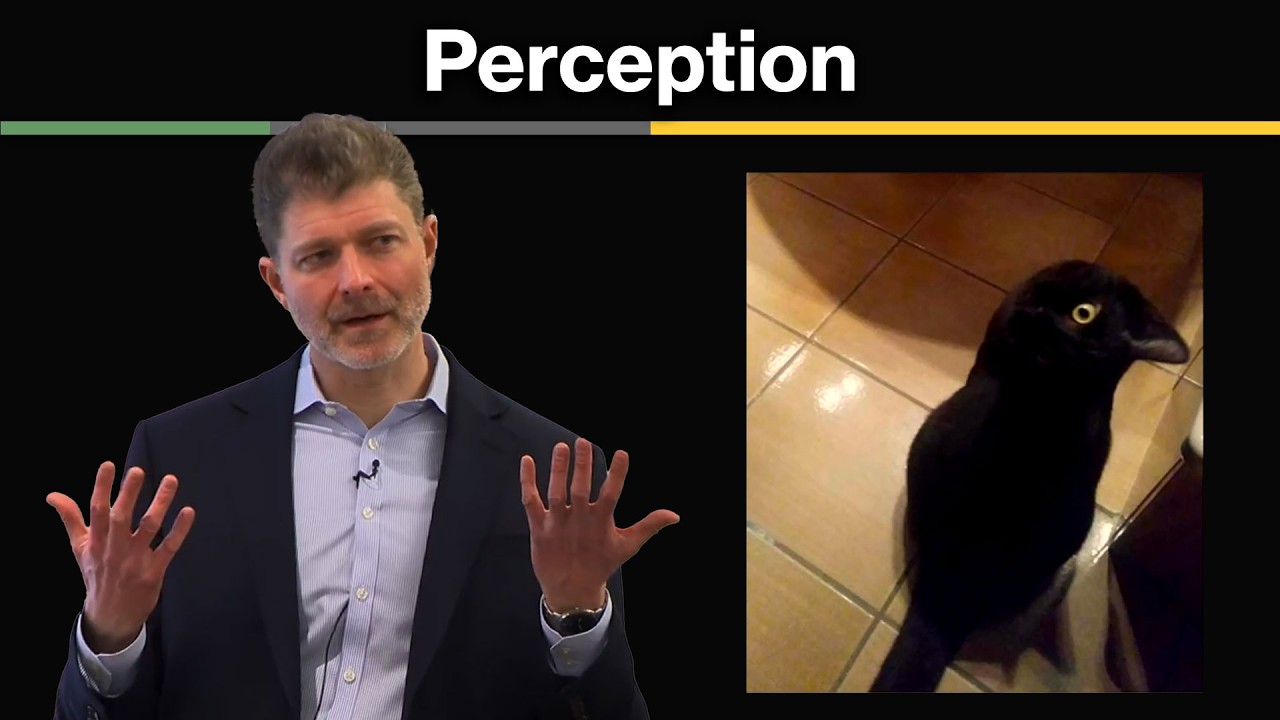
MITIntermediateHow the brain builds a world from light and sound — MIT Brain and Cognitive Sciences on the machinery of perception.
YaleIntroductoryThe most famous philosophy course on the internet.
NPTELIntroductoryFrom idea to venture — the IIT playbook for starting things.
MITIntroductoryPatrick Winston's legendary AI course — how to think about representing knowledge.
StanfordIntermediateStephen Boyd's own course — state-space systems, reachability, and least squares at work.
StanfordAdvancedBuild a large language model end to end — Stanford's course on how the machine is actually made.
StanfordIntermediateWhy is my program not faster? — the parallel computing course for the many-core era.
NPTELIntermediateThe mathematics of decisions — linear programming, queues, and optimization.
StanfordAdvancedC, assembly, and the machine beneath your language.
NPTELIntroductoryC from first principles — the language the IITs teach first.
YaleIntroductoryDerrida, Foucault, and the rest — finally made comprehensible.
NPTELIntermediateCarbon's architecture — mechanisms over memorization, the IIT way.
StanfordAdvancedHow machines learn to learn — Chelsea Finn's graduate course on meta-learning.
HarvardIntermediateRecreate Pong, Mario, and Zelda — game engines and design, taught at CS50 quality.
MITIntermediateThe clearest probability course on earth, taught by its textbook's author.
YaleIntermediateDark matter, exoplanets, and black holes — taught through live debates.
YaleIntroductoryThe New Testament as literature and history — Yale's famously engaging close study.
MITIntroductoryMIT's studio course on designing games — mechanics, balance, prototyping, and playtesting, taught by building real games.
MITIntroductoryProofs, graphs, and counting — discrete math as a contact sport.
MITIntroductoryHow the mind works — the science, not the pop version.
MITIntroductoryData analytics taught through real, messy, high-stakes cases.
MITAdvancedHow to build systems that survive failure — from the masters.
YaleIntroductoryThe mind, taught by one of its best explainers.
NPTELIntermediateIIT Madras's classic ML survey — rigorous, examinable, free.
NPTELIntroductoryPython taught through games, puzzles, and real-world magic.
NPTELIntermediateVirtualization, IaaS, and the engineering of the cloud — from IIT Kharagpur.
MITAdvancedWhat makes us human? An fMRI tour of the mind's specializations.
YaleIntroductoryPhilosophy, psychology, and law in one course about being human.
YaleIntroductoryMarx, Weber, Durkheim, and Freud — the toolkit of social thought.
YaleIntroductoryWhere engineering meets the body — implants, imaging, and drug delivery.
StanfordAdvancedAgents that learn from consequences — taught with unusual rigor.
NPTELIntermediateWhat Linux is actually doing — processes to file systems.
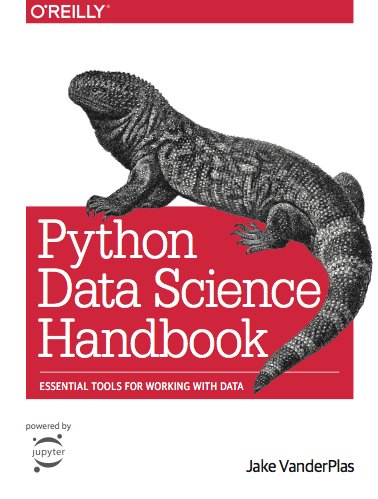
Open TextbooksIntermediateThe field guide to the scientific Python stack — IPython, NumPy, pandas, Matplotlib, and scikit-learn from one of its core developers.
OpenStaxIntroductoryOpenStax's data science text — statistics meets computation, from data ethics to machine learning, free.
YaleIntroductoryHow to hear what composers are actually doing.
YaleIntroductoryThree centuries of Europe, told by a storyteller at full gallop.
NPTELIntroductoryMarketing as a discipline — segmentation, brands, and metrics.
OpenStaxIntermediateCalculus, volume 2 — integration techniques, differential equations, sequences and series, and parametric curves.
OpenStaxIntermediateCalculus, volume 3 — vectors, partial derivatives, multiple integrals, and vector calculus, the complete third semester.
YaleIntermediateParadise Lost, line by line — Yale's celebrated close reading of Milton.
YaleIntroductoryTudors, civil war, and ordinary lives — England's turbulent birth into modernity.
NPTELIntroductoryIISER Pune on the fundamental unit of life — membranes, organelles, DNA, and the molecular machines inside every cell.
StanfordAdvancedWhen algorithms meet strategic humans — auctions, pricing, and the internet.
YaleIntroductoryMachiavelli to Marx — who should rule, and why anyone gets to.
StanfordIntermediateThe course that taught the world to teach machines to see.
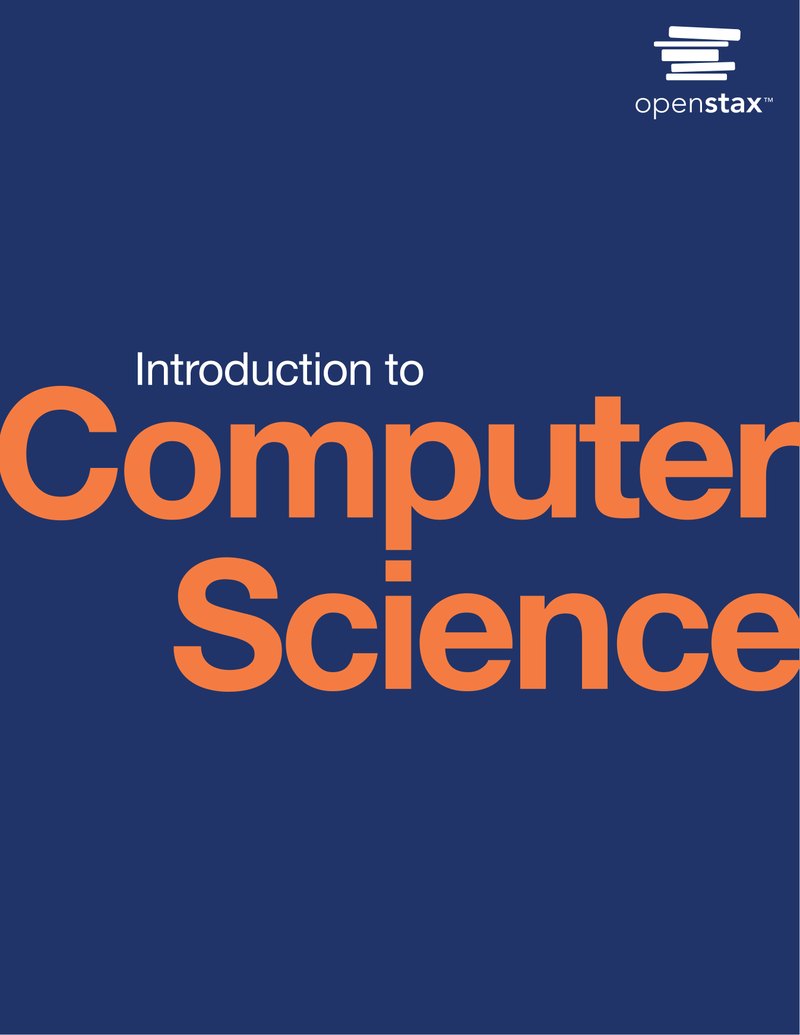
OpenStaxIntroductoryThe newest OpenStax title — computer science from data representation to machine learning, free from day one.
MITIntroductoryMIT's OCW Scholar mechanics course — a complete first physics semester, built for self-study.
YaleIntroductoryHow Europe became Europe — Paul Freedman's irresistible history of late antiquity.
HarvardIntermediateHTML to Django to React — modern web development, properly taught.
NPTELIntermediateFinding structure in oceans of data — the IIT Kharagpur survey.
OpenStaxIntroductoryThe 3D printing textbook — how additive manufacturing actually works, from processes and materials to economics.
HarvardIntroductoryPython from zero, the CS50 way — functions, loops, and real programs from week one.
NPTELAdvancedAlgorithms with the proofs kept in — the IIT Madras classic.
MITIntroductoryHerbert Gross's beloved 1970s refresher — vectors, partial derivatives, and multiple integrals, humanely taught.
HarvardIntermediateHarvard's full-stack web course — Django, SQL, JavaScript, and React, taught by shipping project after project.
MITIntroductoryFrom Python basics to stochastic thinking and machine learning.
HarvardIntermediateSearch, knowledge, uncertainty, and learning — hands-on in Python.
MITIntroductoryThe beloved sequel to MIT's intro CS course — graphs, stochastic thinking, optimization, and statistics, taught through Python.
HarvardIntermediateHarvard's AI course for everyone who finished CS50x — search, knowledge, uncertainty, optimization, learning, and neural networks, in Python.
HarvardIntroductoryDatabases from zero — the newest member of the CS50 family.
OpenStaxIntroductoryThe open calculus text — functions, limits, derivatives, and integration, free from Rice University's textbook press.
StanfordAdvancedAndrew Ng's applied deep learning course, freshly updated.
MITIntroductoryStrang's short course on the big picture of calculus — derivatives in five minutes, truly.
HarvardIntroductoryHarvard's practical guide to staying safe — and thinking like an attacker — with the CS50 production team behind it.
MITIntroductoryTwo thousand years of Chinese history in one MIT course — from the Qin unification to the last emperors, taught with primary sources.
Not samples. Not trials. Complete semesters — lectures, problem sets, exams — and peer-reviewed textbooks, under licenses that let you watch, read, download, and keep them forever.
View coursesThe movement that started it all. Every lecture, problem set, and exam from more than 2,500 MIT courses — published for the world, free forever.
View coursesThe home of CS106A and the birthplace of modern machine learning teaching. Stanford publishes its most famous engineering courses on the open web.
View coursesCS50 — the largest on-campus course at Harvard and Yale combined — plus Statistics 110, free to the world with full problem sets and walkthroughs.
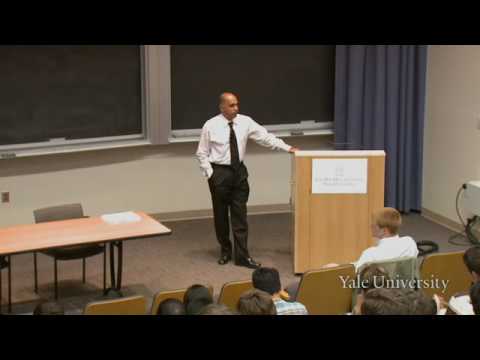
View coursesOpen Yale Courses records full semester lectures — with transcripts, MP3 audio and MP4 video downloads for every single session.
View coursesThe legendary CS61 series — taught by the professors who wrote the textbooks — with full lectures, labs, and projects published every semester.
View coursesA government-backed consortium of the Indian Institutes of Technology and IISc. 800+ complete engineering courses, with free certification exams.
View coursesRice University's nonprofit textbook press: peer-reviewed, openly licensed books for physics, biology, economics, psychology, and more — used by millions of students.
View coursesThe home of the Database Group's famously complete systems lectures — Andy Pavlo's 15-445 is the internet's favorite deep dive into how databases actually work.
View coursesThe internet's beloved faculty-written textbooks — Operating Systems: Three Easy Pieces, Mathematics for Machine Learning, Think Python — published free by the professors who wrote them.
Streaming from the world's best universities and educators
Atlas is deliberately simple: a catalog that streams and a catalog that downloads — no account wall between you and lecture one.
Filter by university, subject, and level. Every course in Atlas was hand-picked and link-verified — no dead links, no bait.
One click and lecture one is playing right here — streamed from the university's own channel, in full quality.
MIT hands you the entire course as a ZIP. Yale gives you MP3, MP4, and transcripts. Everything official, everything legal.
In 2001, MIT announced it would give away its course materials to the world. Colleagues thought MIT had lost its mind — why pay tuition if the courses were free? MIT's answer: the value of an education was never in the lecture notes. It was in the people, the lab, and the degree. And the world's knowledge, they believed, should not sit behind a gate.
Twenty-five years later, OpenCourseWare is a movement: 2,500+ MIT courses, all of Open Yale, NPTEL from every Indian Institute of Technology — hundreds of thousands of hours, published under Creative Commons licenses that expressly permit you to watch, download, share, and keep them. This is not a loophole. It is the point.
Atlas exists to make that library feel the way it deserves to feel: as beautiful and as effortless as the knowledge inside it is deep.